

Getting Started With Vector Math in Game Engines
Vector math is the foundation of physics. We’ll break down dot products, cross products, and why they matter for realistic movement.
Read Course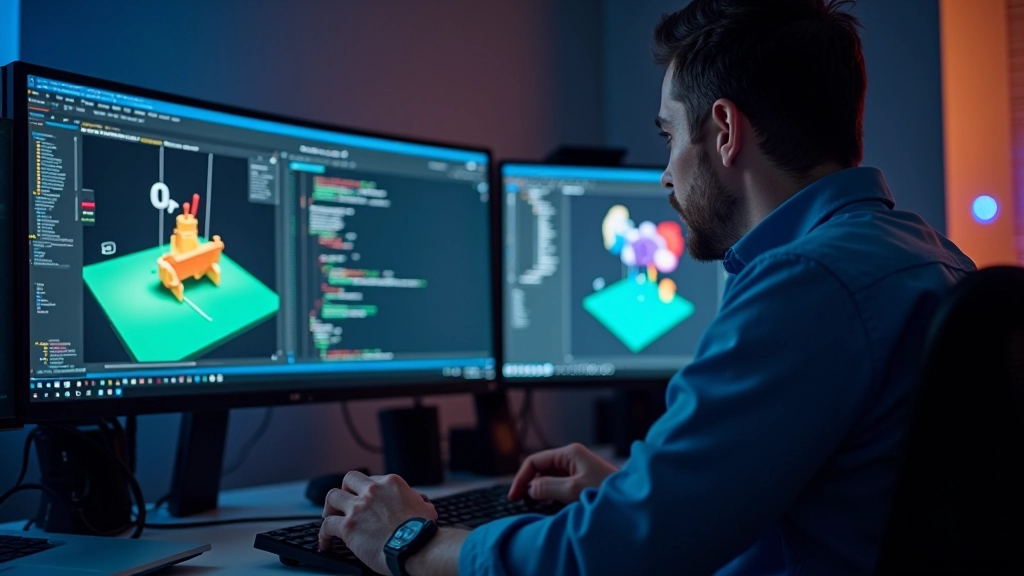
You’ll spend the first two weeks building intuition around vectors, dot products, and cross products. These aren’t abstract concepts — they’re the language your physics engine speaks. We don’t just show you formulas. We show you why they work.


Collision detection is where physics gets real. We cover AABB boxes, sphere casting, and separating axis theorem. You’ll build a collision system from scratch and actually understand when to use each approach. Performance matters — we’ll show you how to profile your code and fix bottlenecks.
Our instructors aren’t just teachers. They’ve shipped games with physics systems that run at 60fps.
Lead Instructor, Physics Systems
8 years building physics engines for AAA studios. Worked on collision systems for racing and fighting games. He’s debugged every edge case you’ll encounter.
Performance Optimization
Real-Time Simulation
Advanced Dynamics
James realized most game developers didn’t really understand their physics engines. They copied code without knowing why it worked.
We structured everything around actual game problems. Not theory first. Real problems first, then theory.
Moved to Melbourne to work with the growing game dev community here. We’re still doing the same thing — deep physics knowledge for developers who care.
Most are shipping games or working at studios. We know what works because we hear back from people using our teaching in production code.
How objects move, rotate, and respond to forces in real-time simulations.
Building collision detection that’s both accurate and fast enough for games.
Making objects stick together, rotate around points, and maintain realistic relationships.
Finding bottlenecks and optimizing so your simulations run at 60fps without compromise.
Clean code architecture for physics systems that scales as your games get more complex.
How to integrate physics with your actual game engine, whether Unity, Unreal, or custom.
Vector math, matrices, and the math you actually need. We skip the abstract theory and focus on what makes physics work in games.
Forces, velocity, acceleration, and integration methods. You’ll build a simple physics system from first principles and watch it work.
AABB, sphere tests, SAT, and raycasting. We compare approaches with actual performance data so you know when to use each one.
What happens after collision. Constraints, joints, and making objects behave realistically under physics.
Profiling tools, finding bottlenecks, and techniques that keep your simulation running fast. This is where physics meets game performance.
You’ll integrate a complete physics system into a real game engine and ship something that works. No toy projects.
Our graduates work at studios across Australia and beyond. They’re shipping games with physics systems they built with confidence.
Recognized by Game Developers Association
300+ Developers Trained
Used in Shipped Games
Deep dives into physics fundamentals and real-world implementation
Vector math is the foundation of physics. We’ll break down dot products, cross products, and why they matter for realistic movement.
Read Course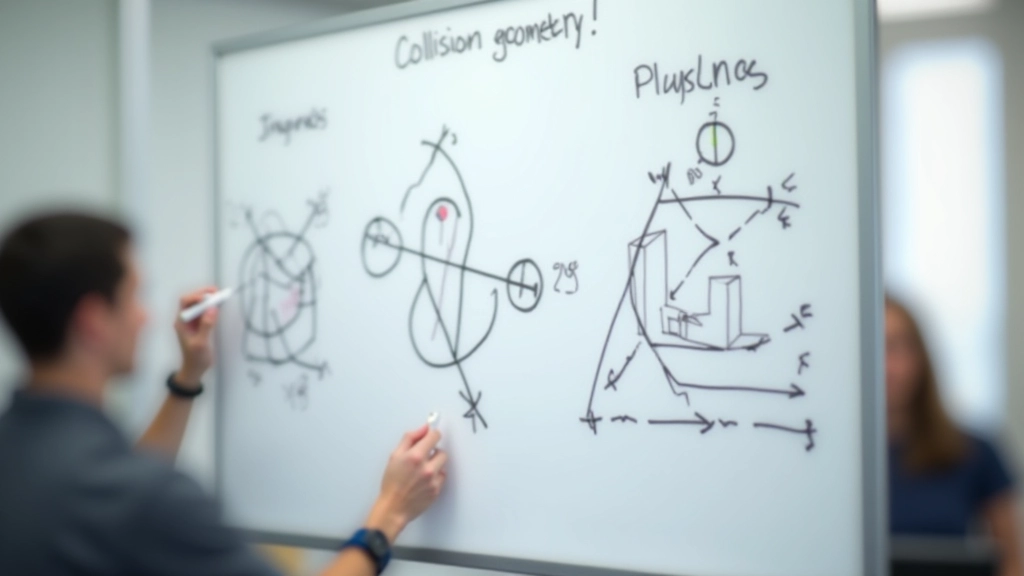
There’s more than one way to detect collisions. We’ll compare AABB, sphere casting, and SAT methods with real performance numbers.
Read Course
Your physics code can tank frame rates. Learn how to profile, optimize, and keep 60fps while running complex simulations.
Read Course